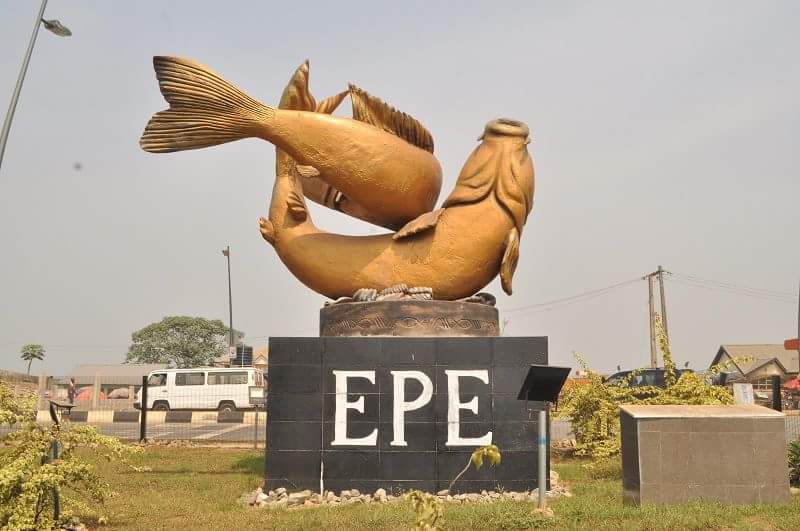

Epe and Ogun State have become the hottest real estate buzzwords in Nigeria.
From the Dangote Refinery to road expansions, deep seaports, Proposed Lekki International Airport, Coastal Road and industrial parks, the headlines promise wealth, and the marketing materials scream urgency.
Everywhere you look, someone’s calling it “the Dubai of tomorrow.”
But here’s the part they rarely talk about: not every land purchase in Epe or Ogun is a golden ticket.
Behind the shiny billboards and glossy brochures is a maze of dead zones, inflated pricing, and liquidity traps that could leave even seasoned investors stuck with land no one wants for decades.
If you’re thinking of buying land in these regions in 2025, this is the detailed, fact-backed breakdown you need to read before putting your money down.
The Myth of “Proximity to Dangote Refinery”
No doubt, the Dangote Refinery is a game-changer.
At 650,000 barrels per day, it’s Africa’s largest, potentially saving Nigeria billions in fuel imports and creating thousands of jobs.
But here’s the problem:
It’s also the most abused marketing buzzword in Nigerian real estate.
Developers and agents now use “close to the refinery” like it’s some kind of investment spell. It sounds like “instant capital appreciation,” right?… Wrong.
In reality, most of the lands they market as “close to the Dangote refinery” are dozens of kilometers away from actual development zones.
Let’s break it down:
- Epe spans 965 km² — that’s 19 times the size of Ikeja (49.92 km²).
- Ibeju-Lekki, where the refinery actually sits, covers 455 km² — 9x bigger than Ikeja.
So when someone tells you a plot is “15 minutes from the refinery,” ask to see it yourself.
A Painful Real-Life Story
In my article, “The One Money Hack They Never Taught You in School, And It’s Costing You Millions”, I shared a painful example.
A client once bought 15 plots in Epe from a top-tier real estate company.
Fast-forward four years, and he urgently needed money to attend to pressing issues.
What happened?
Buyers offered him 30% less than what he paid 4 years ago. Now he realized that the appreciation his agents have been feeding him with wasn’t real.
This location still hasn’t gotten a real use case except for farming.
He bought into the hype… and it cost him millions.
Ogun State: The Waiting Game Nobody Warns You About
Now let’s talk about Ogun State.
the best investment is the one that pays you back gradually, while you wait, not the one that holds your money hostage
Anthony Cee
Yes, it’s close to Lagos and has a huge landmass.
But unless you’re into large-scale farming or don’t mind waiting 30–40 years for real development to creep in, you’re playing the long game and as a matter of fact, a very long one.
Infrastructure growth isn’t magic.
It’s driven by government budget, private sector commitment, and real-time demand.
And most of those locations you buy into in Ogun still lack access roads, power infrastructure, or economic drivers that can trigger capital growth.
The Liquidity Nightmare No One Mentions
Let’s Face It:
Selling land in Epe or Ogun isn’t as easy as buying it.
Here’s why:
- Low resale demand in remote zones
- No real use cases in the short-term
- Long holding periods without Cash Flow
- Land sits idle for years, sometimes decades
If your plan involves “I’ll just sell in 5 years,” think again.
Land doesn’t move fast here, unless it’s in a highly strategic location.
Real estate is only passive when it’s producing cash or easily liquidated.
Otherwise, it becomes a liability disguised as an asset.
The Flip Illusion: High Risk, Low Reward
A lot of investors jump into these zones with dreams of quick flips.
Buy now at ₦1 million…
Sell later at ₦5 million…
Live the dream, right?
But in reality:
- The market isn’t liquid
- There’s no verified buyer base
- Speculative pricing leads to stagnation
- Macroeconomic shocks stall growth
Without real infrastructure and demand, quick flips in Epe or Ogun often become slow losses.
The Cash Flow Secret Developers Don’t Want You to Know
Here’s the secret they won’t tell you:
Cash flow real estate beats land speculation every single time.
Why wait 20 years that may never come, gambling…
When you can invest in a cash flowing asset that starts paying you almost immediately?
From residential apartments to short-lets, commercial shops, or co-owned rental projects, smart investors now go for income-producing real estate.
These assets grow wealth while you sleep and in most cases you don’t need billions to start, you only need the right information and partnerships.
Comparing Land Speculation and Cash-Flow Properties
(slant your phone for a better display of the table below)
| Investment Type | Risk Level | Return Timeline | Typical Return (Yearly) | Main Advantage |
| Land Speculation in Epe/Ogun Out sketch | High | 10–40 years | Unknown | Possible big payoff… eventually |
| Cashflow Properties | Moderate | 1–5 years | 15–40% (incl. rent + value) | Steady income + capital growth |
Example:
₦10 million invested in a co-cash flow investment in Ajah could return ₦3.5M yearly and over ₦200M in value within 10 years (Compound interest + appreciation) if done right
Same ₦10M in remote Epe or Ogun land…
Might be difficult to sell, even after 15 years, and anything can happen.
Hidden Traps Investors Keep Falling Into
❌ Buying into Non-Developing Areas:
They tell you it’s “15 minutes to the refinery.” Visit it yourself… verify!
❌ Skipping Due Diligence:
No title, no plan approvals? Walk away.
❌ Investing Based on Hype:
In most cases, “Refinery” or “Seaport” isn’t a development strategy; it’s marketing.
❌ No Possession After Purchase:
When you don’t take physical possession, your land becomes more vulnerable to land grabbers and government acquisitions.
❌ No Diversification:
Putting all your money in raw land is never a smart move. Mix it with assets that pay you now and consistently.
Not sure whether to chase cash flow or capital gains? This article breaks it down for you
Build a Balanced, Future-Proof Portfolio
The best investors don’t gamble. They diversify:
✅ Select high-potential land in places with confirmed infrastructure timelines (5–10 years max).
✅ Prioritize cash flow-generating properties to grow wealth faster.
✅ Use land for long-term income generator… don’t just tie down your resources.
✅ Monitor liquidity before buying and ask, “Who’s buying this in 3 years and for what purpose?”
Don’t Fall Victim To Hype
It’s true, Epe and Ogun have potential.
But developers and agents have hijacked that truth to trap emotional investors.
The difference between success and regret?
Strategy. Structure. Smart timing.
If you’re serious about building real wealth, stop buying land just because it’s “cheap.”
Focus more on cash flow. Secure liquidity. Be precise.
And remember: the best investment is the one that pays you back gradually while you wait, not the one that holds your money hostage.
Found this insightful?
Share this blog with your friends, family, and colleagues. The more people around you make smart money moves, the more financially safe your circle becomes.
Take proactive steps now…
Join the Whiz Investors Club today.
We give you access to insider strategies, expert-curated real estate deals, guided investment sessions, and the kind of community support that helps you not just survive, but thrive.
I’m Anthony Cee, your investment compass. Stay smart, stay strategic, stay focused and always… WIN with Whiz!
See you in the next one…