


Let’s Kick start this with a story…
Mr. A thought he had done everything right. He bought a property from Mr. D, signed the papers, celebrated with friends, even started fencing the land. But there was one thing he didn’t do…
He never registered his Deed of Assignment.
Two years later, Mr. D, the former owner, noticed the land was still in his name in the registry, and did something crazy
He sold the same property to Mr. C.
Mr. C didn’t waste time. He registered his own Deed of Assignment immediately. By the time Mr. A found out, he was legally holding nothing. The land, the money, the dream, gone…
Legal action or not, the damage was done.
So, What Exactly is a Deed of Assignment?
Think of the Deed of Assignment as your official “I now own this land!” certificate. Without it, your ownership is invisible to the law.
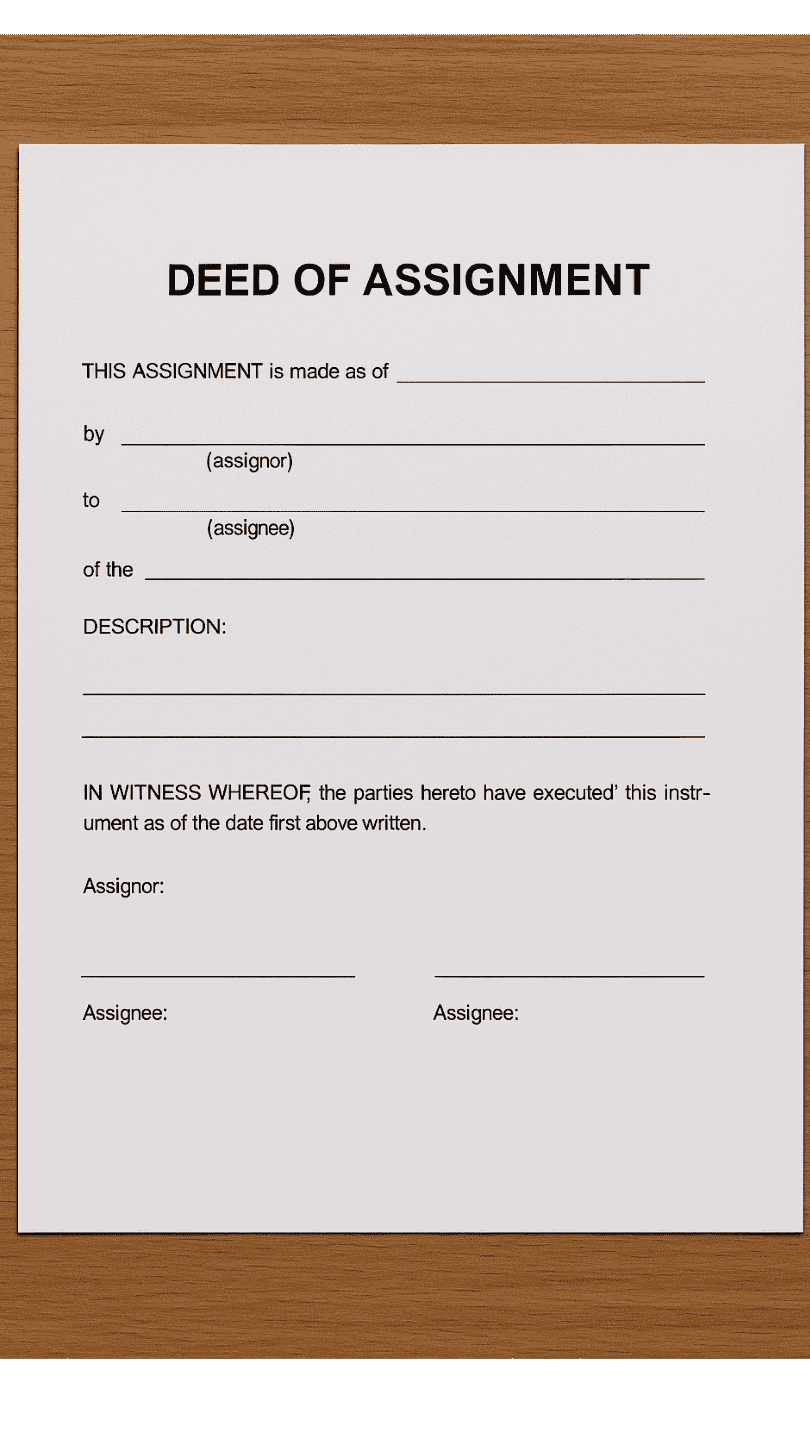
This document transfers ownership from the seller (Assignor) to the buyer (Assignee), but only when it is properly executed and registered.
No registration = No recognition.
No recognition = No ownership.
Why Should You Care?
Because the land you’re building your retirement on might legally still belong to someone else if this one step is skipped. You don’t want to be the next Mr. A, do you?
The 10 Key Ingredients of a Valid Deed of Assignment:
If your Deed is missing any of these, it’s as good as tissue paper.
- Full details of both buyer and seller – names, addresses, and valid IDs.
- Property description – size, location, boundaries, and a tie-in with the survey plan.
- Reference to root of title – proving the seller actually owns what he’s selling.
- Consideration clause – the amount paid and method of payment.
- Recitals – a history of the property, how it changed hands over time.
- Habendum clause – clearly defines the type of ownership being transferred (usually full ownership).
- Covenants – obligations both parties agree to.
- Execution and attestation – signatures from both parties and credible witnesses.
- Governor’s Consent – mandatory in many states to validate transfer of land ownership.
- Surveyor General’s stamp & signature – without this, the land is not yours. Period.
How to Make Sure Deed Of Assignment Is Legit (And Not Just a Fancy Piece of Paper)
✅ Step 1: Run a Full Background Check
- Check with the Land Registry.
- Dig up grapevine information from the community.
- Confirm the property isn’t under dispute or encumbered.
✅ Step 2: Use a Smart Lawyer (Who Understand Real Estate Laws)
- If it’s a community or individual sale, don’t wing it.
- Use a professional property lawyer to draft or vet the document.
✅ Step 3: Register It Immediately
- Submit the signed Deed at the state’s Land Registry.
- This gives you legal teeth in any future dispute.
Note: Unregistered Deeds have no legal standing. It’s like driving a car with no plate number, you are open to different risks.
Why Most People Get Burnt
Many people focus on price and forget documentation. They trust blindly when “the agent said it’s safe.” Others don’t want to spend money on lawyers or registry fees.
But what’s N500K in documentation compared to losing N30 million worth of land?
Identify Your Category
There are two kinds of property owners in Nigeria:
- Those with paperwork
- And those with problems
Now evaluate yourself by evaluating your Deed of Assignment using the check list, I gave you above.
If you found this blog valuable, share it with friends and families who’re planning to invest in property. You might just save them millions.
And if you’re tired of gambling with land, let Whiz Investors Navigator guide you right. We don’t guess , we verify, validate, and secure every investment.
I’m Anthony Cee, your investment compass.
Stay sharp, stay strategic, stay focused and always… WIN with Whiz!
See you in the next one…