
Picture this:
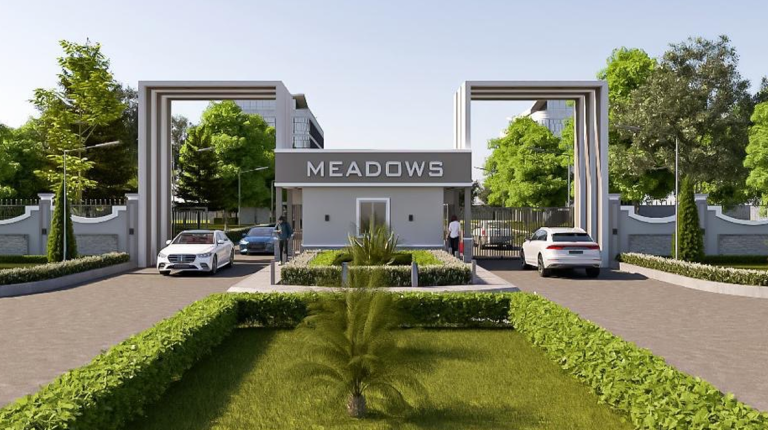
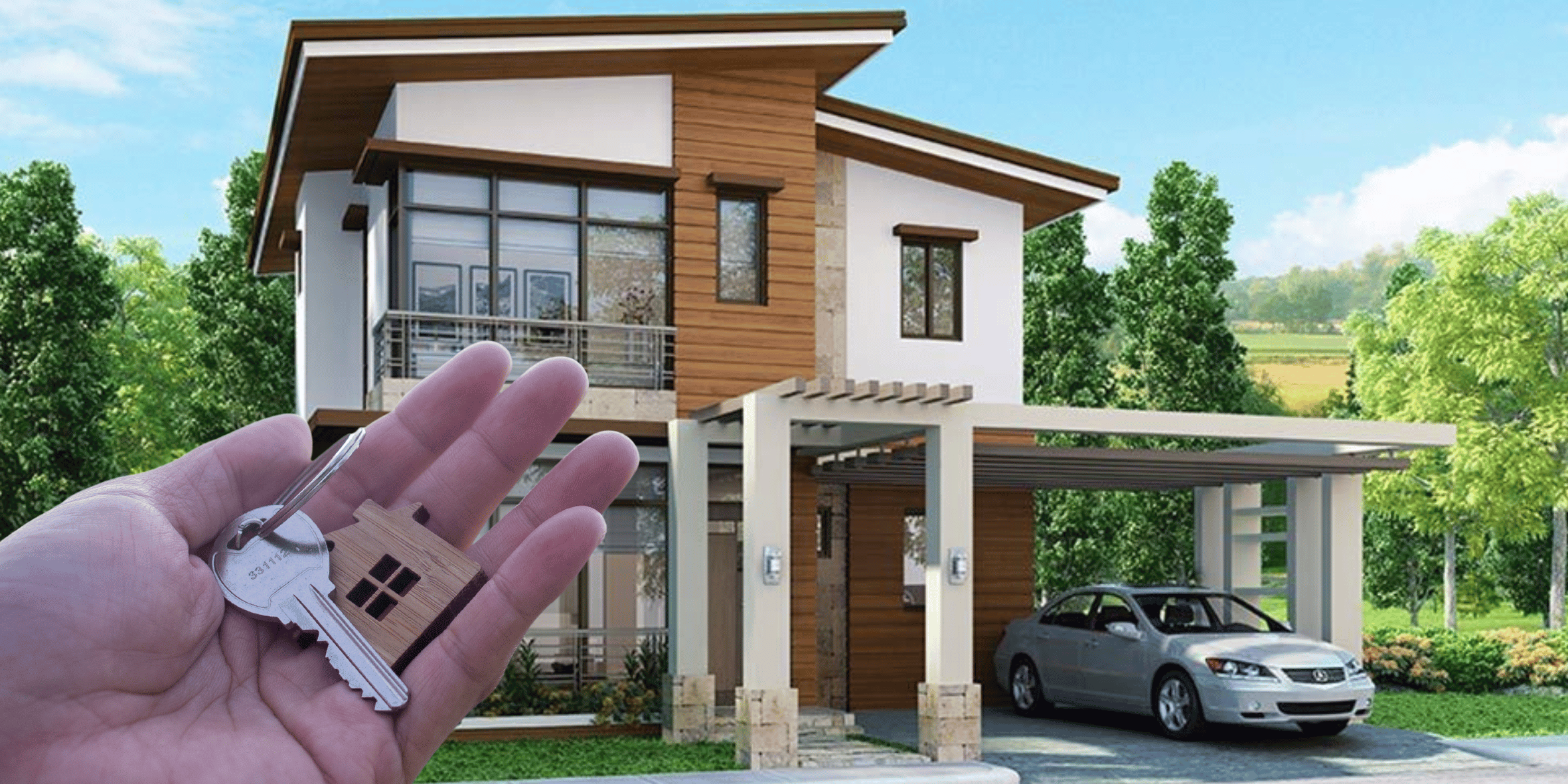
You finally bought your dream home in your dream neighborhood. Beautiful gate, fancy interiors, estate security, and your neighbors? Mostly upper middle class and looking rich, chasing the Nigerian dream.
Five years in…
The story changes. You’re constantly battling rising electricity bills, unexpected repairs, service charges, and worst of all, you’re stuck. Your salary hasn’t increased, inflation is biting, and despite owning a house worth millions, you can’t raise N5 million in cash without begging or selling something you value.
So here’s the brutal question: Is your house really an asset… or just a beautifully packaged liability?
The Emotional Lie We’ve Been Sold Over The Years
In Nigeria, owning your own home is seen as a major life achievement. For many, it’s the ultimate sign of success. Parents cry at housewarmings. Friends celebrate you like a king. Culturally, it feels like you’ve “arrived.”
But here’s the catch: emotion doesn’t pay bills. And just because something is expensive doesn’t make it an asset.
Financially speaking, your personal home is often a cash-consuming liability. Unless it’s generating rental income, appreciating fast enough to beat inflation, or giving you leverage, it’s not growing your wealth.
Let’s Break It Down The Whiz Way…
1. Cash Flow Test: Does It Put Money in Your Pocket?
Robert Kiyosaki wasn’t exaggerating when he said:
“Assets put money in your pocket. Liabilities take money out.”
So ask yourself, what role does your home play in your finances?
Assets put money in your pocket. Liabilities take money out
Robert Kiyosaki
- Your personal house demands monthly service charges, repairs, power bills, waste disposal, security levies, and surprise maintenance.
… Now, that’s a constant debit alert.
- Now compare that to an income-generating property, a rental apartment or serviced short-let, for example, designed to produce steady inflow while appreciating in value over time.
If your house isn’t paying you, it’s draining you.
Want to understand how to balance monthly income versus long-term growth? Read our blog: Cashflow vs Capital Gain: Which is a Better Investment Strategy for You?
2. Opportunity Cost: What Did You Miss?
Let’s face it…
That your N500 million home in Lekki Phase 1…
Imagine if you had channeled that same capital into multiple plots in a high-growth corridor like the Meadows at pre-launch or acquired a few well-located rental apartments like Paramount Twin Towers. Within 12 months, those plots could have appreciated by 70–120%, or the rentals could be generating steady income, freeing up your cash flow instead of locking it away.
That’s the kind of strategic positioning true assets provide.
Owning a fancy house early often kills your capacity to build wealth. You’re looking rich but cash-poor.
3. Liquidity Trap: Can You Access Quick Cash When It Matters Most?
Here’s a harsh reality many homeowners quietly wrestle with, especially here in Lekki:
Most people living in their own homes cannot access liquidity when emergencies strike. Why? Because the average residential property, even if it looks premium on the outside, isn’t structured to unlock cash when you need it most.
Banks are rarely willing to give you a loan against your personal home unless that property is producing steady, verifiable rental income. And even then, it often involves rigorous documentation, property valuation stress tests, and painful delays.
So what happens when life hits hard? Medical emergency, business collapse, or job loss. Or even a once-in-a-lifetime investment opportunity?
You suddenly realize that your so-called “asset” is locked capital. And the only way out is often the most heartbreaking: Distress Sales
Distress sales.
Selling your beloved home under pressure, rushing the market, settling for far less than it’s worth, just to raise urgent cash. And in highbrow areas like Lekki, where real estate is already saturated, this becomes even more difficult. Buyers bargain hard, and you end up losing value, pride, and peace.
Liquidity is power.
And that’s what most personal homeowners lack, because their net worth is trapped in walls they can’t quickly monetize.
As a Whiz Investor, your wealth strategy should ensure that when opportunity (or crisis) shows up at your door, you don’t have to sell the house you’re standing in to take action.
4. Appreciation Is Not Automatic
One of the most common misconceptions in real estate is assuming that a property’s value will always rise, especially if it’s located in a so-called “prime” area.
But here is the reality…
Some of the known highbrow neighborhoods have already reached their peak performance.
Property prices in these areas are no longer appreciating at the rate they once did.
In fact, growth in such locations has slowed significantly.
And in some cases, a single economic shock, like a change in government policy or a security issue, can cause prices to decline.
This is because true property appreciation is driven by economic fundamentals, not popularity or prestige.
Here’s what actually fuels consistent value growth:
- Infrastructure expansion like road expansion and accessibility, ports, proximity to commerce, power projects, and public transport.
- Population and commercial influx, which leads to growing demand for residential and commercial properties, businesses, and institutions.
- Forward-thinking developments like estates aligned with emerging trends, flexible payment structures, and rising market demand.
So if your property is in a location with stagnant development, low market activity, and minimal economic drivers, its value may remain flat or even depreciate over time. Take Apapa as an example.
In smart investing, it’s not about what’s “popular” today.
It’s about identifying where opportunity is going tomorrow.
That’s the Whiz way of thinking, and it’s what separates emotional buying from strategic wealth building.
5. Emotional Bias = Financial Blindness
Homeownership carries deep emotional weight, especially here in Africa.
For many, owning a home is more than just shelter; it’s a badge of honor and proof of success; it’s like a dream fulfilled.
We remember the sacrifices it took us to work, save, and eventually buy the property.
We see it as our legacy.
And naturally, we become attached.
But that emotional attachment often clouds financial judgment.
don’t invest based on emotion; you invest based on performance, potential, and positioning
Anthony Cee
We tend to overestimate the property’s worth simply because it’s ours.
We underestimate the ongoing costs like repairs, service charges, and rising utility bills because we believe “it’s better than paying rent.”
And when it’s time to make strategic decisions like selling, renting it out, or diversifying, we hesitate. We hold on out of pride, not logic.
That’s where many homeowners unknowingly fall into a trap:
The home becomes a financial burden disguised as an achievement.
Whiz Investors teaches you to flip that script.
You don’t invest based on emotion; you invest based on performance, potential, and positioning.

Sentiment should never replace strategy.
Because in wealth-building, it’s not about how much you love the property; it’s about what that property is doing for your future.
The Truth Developers Don’t Want You To Know
Most developers sell you homes that look good but don’t perform financially.
They play on your status dreams: granite, tiles, chandeliers, and smart doors.
But no mention of ROI, rental yield, or exit strategy.
Because if you knew the truth, you might invest differently.
You might ask:
- Can I rent this out later?
- Will this property fund my retirement?
- What are my cash-out options if things go south?
And developers selling for hype hate those questions.
So, What Should You Do Instead?
Simple:
- Live Light, Invest Heavy—Rent where you live, and buy where money grows.
- Focus on Cash Flow and Appreciation—Go for rental properties or plots in fast-developing zones, and like I always say, you must buy right or face the consequences.
- Think Resale Value First—If you can’t sell it fast or rent it out for income, pause.
And most importantly:
Get Strategic Guidance. That’s where Whiz Investors Navigator comes in.
We help you invest smart and strategically like the top 10% of the top 1% would do. ROI is the focus.
One Final Word:
This article isn’t meant to tell you how to live your life or what choices to make.
It’s simply here to help you pause… reflect… and ensure that your actions align with your financial goals.
At Whiz Investors Navigator, we believe true wealth isn’t accidental; it’s intentional. It’s not about copying what others are doing but understanding the “why” behind every major decision, especially in real estate.
Investing Should be informed-driven, not Emotional.
Anthony Cee
Whether you decide to own your dream home today or build assets first and settle later, that decision should be informed, not emotional.
Because when you invest with clarity, you create freedom, not just for yourself, but for your family and your future.
And if this message struck a chord…
Share it with a friend or loved one who’s thinking of buying their first home, because when the people around you make smarter financial decisions, your entire circle becomes more stable, more secure, and more empowered.
That’s what the Whiz Investors Club is all about: building a network of smart, strategic investors who win together.
I’m Anthony Cee, your investment compass.
Stay smart, stay strategic, stay focused, and always… WIN with Whiz!
See you in the next one…