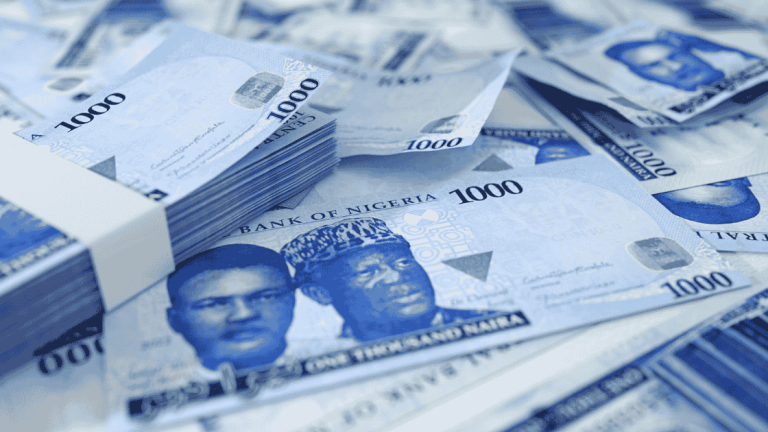

It starts slowly.
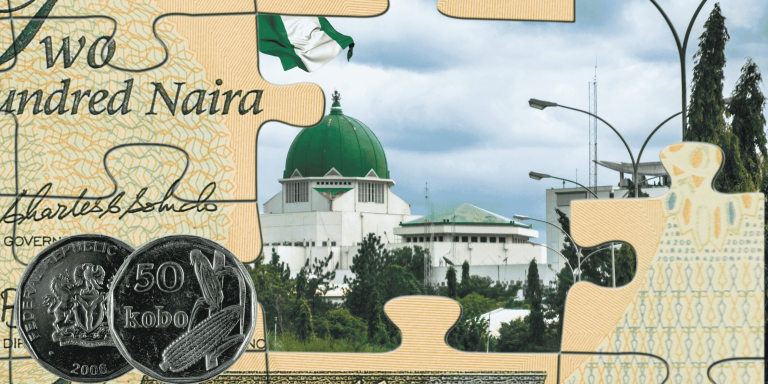
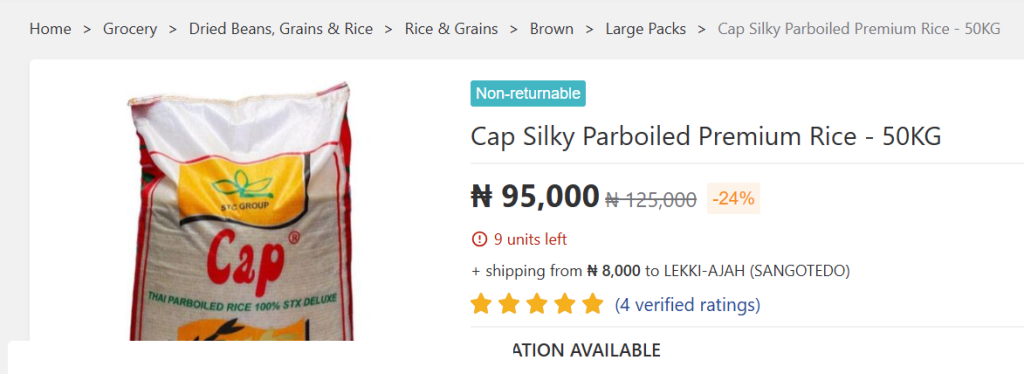
A bag of rice moved from ₦7,000 in 2015 to over ₦90,000 in 2025; now that’s a 12.9x, or approximately 1,185.7%, increase in price.
Fuel prices moved from ₦180 to approximately ₦1,000. Within the same time range. Landlords aren’t smiling; they are moving their rents proportionately.
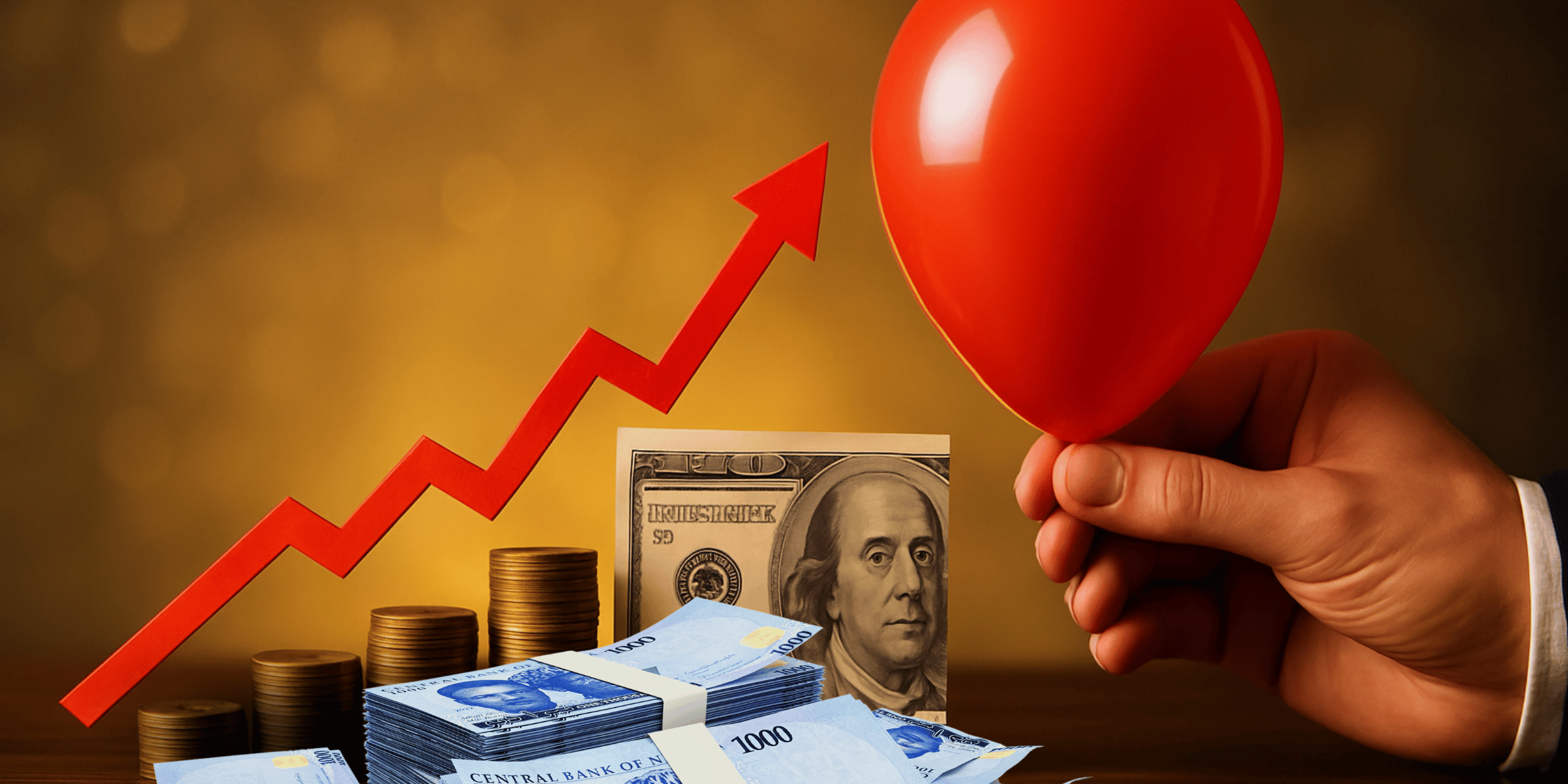
Now, if you think this is only a Naira situation, then let me paint you this picture too
Between 2014 and now, 2024, the U.S. dollar has also experienced an approximate cumulative inflation rate of about 33%. This means that what you could buy for $1,000 in 2014 would require about $1,333 to purchase today.
You shrug?
…“It’s called Inflation
But somewhere, very close to where you are relaxing right now, someone just made some millions this month with the help of inflation.
The same inflation that’s draining your bank accounts and making your money worthless… is boosting someone else’s net worth, and that person may be your next-door neighbor, and he doesn’t want you to know this 😉.
Let’s expose a quiet truth most people never see:
Inflation doesn’t affect everyone equally.
For some, it’s a silent killer.
For others, it’s a powerful engine of wealth because they know how to ride it.
Inflation is a jet engine, propelling assets sky-high, turning hurdles into launchpads, and leaving the slow behind in a cloud of dust.
Anthony Cee
A Quick Reality Check…
In 2024, Nigeria’s inflation hit 34.8%, its highest in decades. Global inflation also soared; the world panicked, but billionaires were doing the needful, acquiring real assets.
Take Warren Buffett as a case study. During peak inflation fears in the US, he pumped billions into energy stocks.
The most important thing at these uncertain times is knowing what to buy, and knowing how to buy it, because even in a booming market, you can still lose if you buy the right thing the wrong way.
So while you are paying 400% more for diesel, the rich are quietly earning cash flow from investments that take advantage of inflation.
Let’s unpack the 5 inflation strategies the super-rich use, how they make it work, and what you can learn from them.
1. They Weaponize Inflation Against Their Own Debt
Here’s a billionaire paradox:
They love debt, but only when inflation is high.
Sounds strange, right? Let’s break it down.
Imagine a developer takes a ₦5 billion loan at 12% interest to build luxury apartments. Fast-forward 3 years: due to inflation, property prices are up 200%, rents have doubled, and the naira is weaker.
But guess what hasn’t changed?
The loan amount.
That ₦500 million is now worth far less in real terms. The developer is effectively repaying with “cheaper” money, while the value of the asset and its income have increased.
It’s like borrowing yesterday’s money and paying it back with today’s Monopoly cash.
Meanwhile, the average Nigerian is terrified of loans, and when they finally take one, it’s often to spend, not to invest. That’s the real trap
In summary, the rich don’t avoid debt. They use inflation to destroy it.
2. They Don’t Hold Cash, They Hold Assets
Cash is safe… until inflation hits.
₦10 million in your savings account today will buy you far less in 2 years.
The rich know this. That’s why they don’t save in naira or dollars; they save in real assets.
We’re talking
- Commodities like gold, crude oil, cocoa
- Stocks in inflation-proof sectors (energy, logistics, consumer goods)
- Proven Cryptos, for the risk-takers
- To Cap It: Real Estate, Strategic, not reckless
In 2022, gold rose while currencies fell. In 2023, commodity traders who held cocoa futures made 40%+ returns. Bitcoin, despite volatility, went from $16,000 to over $40,000 within a year; today, it threads between $90,000 and $110,000, and real estate in strategic locations is raining massive cash flow and capital appreciation while you are fasting, waiting for your land in Ibadan and Ogun State to appreciate.
These are not coincidences. They’re calculated moves.
The wealthy know cash loses value. Assets store it, but you must buy right.
The prudent investors don’t run from inflation.
They own what inflation makes expensive.
You may also like Why Smart Investors Are Quietly Moving Their Money from Banks into Real Assets
3. They Build Businesses That Can Raise Prices Without Apology
Here’s a test:
Can your business raise prices tomorrow without losing customers?
If the answer is yes, congratulations, you have pricing power.
And the rich… That’s the only kind of business they like.
Whether it’s
- An oil logistics firm
- A boutique hotel in Ikoyi
- A subscription-based software startup
- Or a ShortLet Apartment in Lekki Phase 1
They invest in companies that are essential or aspirational, two things inflation can’t kill.
When costs rise, they pass it on. And people pay.
It’s why MTN keeps increasing data rates… and you keep recharging.
That’s also why that Lekki shortlet now costs ₦250k+ per night, and it’s still fully booked.
Most people hustle for cash.
The rich build businesses that adjust with inflation and scale faster than it.
4. They Stay Calm When Everyone Else Panics
Inflation brings chaos.
Markets dip. Social media explodes with “sell everything!” panic.
But here’s what you’ll never hear a wealthy investor say:
“Let’s wait till things are stable.”
They know that wealth is built in chaos. Especially when everyone else is afraid.
In 2022, while Nigerian equities dipped and tech stocks were bleeding globally, some high-net-worth investors were quietly buying up
- Shares in Dangote Cement, anticipating infrastructure boosts
- MTN and Airtel, riding the telecom/data inflation wave
- US stocks, while they were 30–40% cheaper
- Real Estate , in strategic locations, through strategic channels
They weren’t scared.
They were patient and prepared.
When markets recovered, their net worth didn’t just bounce back; it doubled in some cases.
Fear makes most people freeze.
The rich treat fear as a discount alert.
5. They Buy Real Estate When Others Are Afraid.”
Let’s end with the most powerful inflation hack of all: Real Estate.
If there’s one thing the rich buy more of during inflation, it’s investment property. And here’s why:
- Real estate is scarce. (Land can’t be reproduced, and once a strategic location is gone… it’s gone.)
- It generates rent, which can only adjust upward
- It appreciates, especially in growth zones
- You can use leverage to acquire it
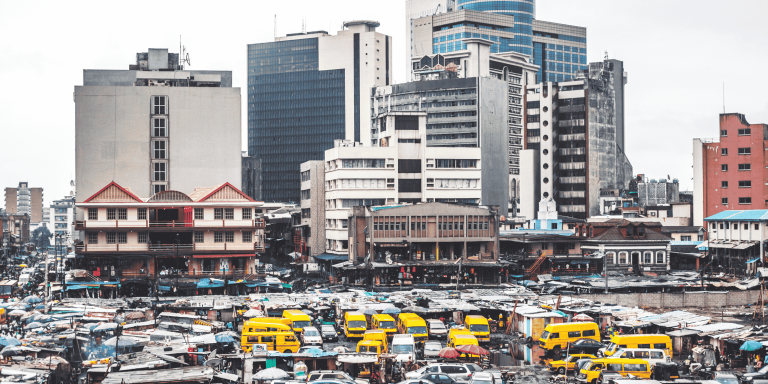
Take Lagos as a case study:
Between 2019 and 2025, land in Chevron went from ₦35 million to over ₦200 million per plot.
Apartments in Victoria Island jumped from a rental value of ₦5 million to ₦25 million+ in just 3 years, and strategic locations in Ibeju Lekki went from ₦5 million to over ₦45 million.
Now imagine you bought one property using leverage in 2020. By now, you’re sitting on tens of millions in equity, collecting rent, and smiling at inflation.
The rich are not waiting for the market to “cool.”
They’re securing assets in prime locations before the next price jump locks everyone else out.
How Do You View Inflation Now?
It’s True
For the average person, inflation feels like a thief.
It makes savings worthless. Incomes are stagnant. Dreams delayed.
But for Whiz investors, inflation is a jet engine, propelling assets sky-high, turning hurdles into launchpads, and leaving the slow behind in a cloud of dust.

The rich don’t complain. They study inflation, understand its patterns, and stack assets that grow with it.
And the good news?
You don’t need billions to play sharp. You just need the right perspective, positioning, and partnership.
If this shifted your mindset, share it with that friend or brother who always complains about inflation. The more people around you make smart money moves, the more financially safe your circle becomes
I’m Anthony Cee, your investment compass.
Stay sharp, stay strategic, stay focused, and always… WIN with Whiz!
See you in the next one…
Disclaimer: This content is for educational and informational purposes only and does not constitute financial advice. The opinions expressed here are independent and for the current period only. Investors should conduct their own due diligence and consult a licensed financial advisor before making any decisions. Past performance is not a guarantee of future results.