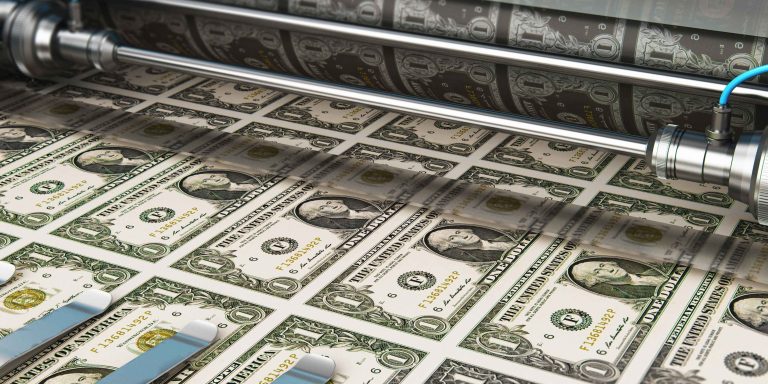


Let’s travel back in time.
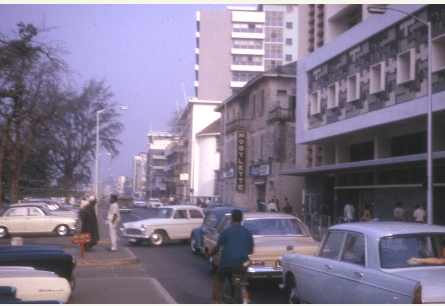
If you were taking a stroll along Marina Street in Lagos in 1973 with ₦1 in your pocket. By the end of the day, you would have been able to:
• Buy a chilled Coke (5 kobo)
• Eat hot amala, ewedu, and egufe, or your favourite oha soup with hot eba (15 kobo)
• Hailed a taxi back to Surulere (7 kobo)
…and still had enough change in your pocket.
Fast forward to 2025. ₦100 can no longer get you a bottle of water. This isn’t hyperbole; it’s 65 years of relentless inflation. Most Nigerians watched their savings lose purchasing power. Yet a select few got richer every time the naira plunged.
What did they know that you don’t… yet?
In this deep dive, we’ll dissect Nigeria’s inflation saga from 1960 to date. You’ll learn:
- Early warning signs in the 1970s and how to position assets
- The SAP-era crash of the 1980s–1990s, and where opportunity emerged
- The 2020s meltdown, and which real assets outperformed cash
- The 72.8% inflation peak in 1995 and how portfolios survived intact
- Your actionable real asset playbook to join the ranks of strategic investors

If you’ve read my blogs From Oil Boom to Naira Doom and Is Inflation an Enemy or Friend?, consider this your master plan.
Let’s dissect it:
The Golden Start and a Subtle Signal (1960s–1970s)
In 1973, Nigeria replaced the pound with the naira at ₦1 = $1.52 (the naira was stronger than the dollar at about 52%). Confidence surged, but so did government spending and oil dependency. By the late 1970s, inflation hovered at 9–12% annualized, mild by today’s standards but a clear early signal.
What strategic investors did:
- They started converting naira to valuable assets, assets that stood the test of time.
- They understood where the economy was moving to and moved ahead.
Fast Fact: A plot in Ikoyi in the 1970s was less than ₦20,000. Today, it’s over ₦1.5 billion.
The Crash Without Headlines (1980s–1990s)
The 1986 Structural Adjustment Programme (SAP) devalued the naira from ₦0.61 per dollar to ₦2 per dollar, while parallel markets hit ₦3.90 per dollar. Through the 1990s, inflation oscillated between 20% and 30%, peaking at 72.8% in 1995.
Key drivers of the spike:
- Expansionary fiscal policy and money supply growth
- Rapid naira devaluation doubling import costs
- Fuel subsidy removals driving transport and utility expenses
But again, a few people saw opportunity where others saw chaos.
- They strategically moved capital into tangible assets with long-term value.
- They diversified into international stocks in countries with stronger currencies and consistent consumer demand.
- They invested in Fast-Moving Consumer Goods (FMCG): sectors like food, beverages, and household essentials—because people keep spending on basics, no matter the economy (think of individuals like Dangote).
- And they relied on income-generating real estate, using rental properties as natural inflation hedges (e.g., Otedola).
Real Example: Between 1990 and 2020, the price of a three-bedroom flat in Surulere jumped from around ₦300k to over ₦35 million, reflecting over an 11,500% increase in 1 decade.
In this article, I will show you how investors are rewriting the playbook during the current naira slide, so keep reading
Inflation in High Definition (2020s)
Between 2023 and 2025, official inflation surged to 25–32%, with 2024 peaking at 34.8%. The naira weakened past ₦1,600/USD officially and ₦1,700+ on the parallel market.
While many panic, strategic investors leaned in, Turning Crises Into Opportunities:
- Real estate became the new oil. Strategic asset development, especially in high-demand areas like Lekki and Abuja, saw short-let apartments consistently deliver inflation-beating returns and impressive capital appreciation.
- Dollar income streams surged. Through freelancing, exports, and domiciliary forex accounts, investors built income buffers that naturally hedged against naira depreciation.
- Diversified stock portfolios paid off. Rather than chasing hype, savvy investors structured their holdings across resilient sectors and global markets, not just preserving wealth but multiplying it.
- Smart money moved into commodities and crypto. When carefully selected, these assets returned 2–3× gains, proving once again that uncertainty rewards those who position early and wisely.
Strategic Insight: “Inflation is the signal; real assets are the response.” Investors who acquired properties strategically before the 2023 devaluation saw their property values jump significantly within months.
Those who convert cash into real assets during crisis seasons become the new rich when calm returns.
Anthony Cee
Your Real Asset Playbook
- Acquire prime land parcels. Land in growth corridors can appreciate exponentially during crisis windows, but remember that you must buy right or wind up in regrets.
- Invest in rental real estate. Short-term rentals in strategic locations, especially around business and commercial hubs, consistently yield strong returns as they attract a steady stream of tourists and business travelers.
- Diversify internationally. Allocate a strategic portion of your portfolio to strong foreign currency assets, including global indices, stable international securities, and diversified funds. This not only cushions you against naira volatility but also preserves and grows your wealth over time.
- Back FMCG leaders. Food, beverage, and household goods stocks deliver consistent dividends and resist demand shocks, if you can’t start one yourself, invest in one with strong growth potentials and track record.
- Monitor policy signals. Oil price dips, reserve levels, and budget deficits are leading indicators, when they flash red, real estate become your safe haven.
Also see my blog on 6 Industries That Quietly Launch You Into The Billionaires Club
Ready to Stop Bleeding Value? Join the Whiz Investors Club.
Inflation is the signal; real assets are the response.
Anthony Cee
The next 10 years will create new millionaires in Nigeria. Don’t let history’s winners be the only beneficiaries.
Found this insightful? Share this with your friends, family, and colleagues. The more people around you make smart money moves, the more financially safe your circle becomes.
Take proactive steps now…
Join the Whiz Investors Club today.
We give you access to insider strategies, expert-curated investment guides, and exclusive guided sessions designed to help you build real wealth. More than just knowledge, you’ll join a trusted community that helps you not just survive Nigeria’s economic storms, but thrive in them.
“Remember: Those who convert cash into real assets during crisis seasons become the new rich when calm returns.”
I’m Anthony Cee, your investment compass, guiding you to outperform every naira crash.
Stay informed. Stay strategic, stay focused, and always… WIN with Whiz!
See you in the next one…